
Tanzania Safari Experiences
Tanzania is home to some of Africa’s most iconic wildlife landscapes, offering unforgettable safari experiences shaped by vast plains, ancient craters, and rich ecosystems. At Essence Tours and Safaris Africa, we curate the best safari destinations and experiences, carefully selecting each park for what it does best without repetition.
From classic game drives to rare wildlife encounters, each safari is designed for authenticity, comfort, and exceptional guiding.
Mountain Climbing
Tanzania is home to Africa’s highest peak and some of the continent’s most rewarding trekking routes. Mountain climbing offers a completely different way to experience the country, moving through changing landscapes and climates on foot.
Why mountain climbing is chosen:
It combines physical challenge, natural beauty, and a strong sense of achievement.
Highlights:
- Mount Kilimanjaro trekking routes
- Mount Meru climbs
- Experienced mountain guides and support crews
- Gradual altitude acclimatization

Serengeti National Park
The Serengeti is the heart of Tanzania’s safari experience. Endless plains, abundant wildlife, and the famous Great Migration make it one of Africa’s most impressive national parks.
Why Serengeti is chosen:
It offers excellent game viewing throughout the year and hosts the annual migration of millions of wildebeest and zebra.
Highlights:
Great Migration (seasonal)
Lions, leopards, cheetahs, and elephants
Vast open savannahs

Ngorongoro Crater
The Ngorongoro Crater is a natural wonder and one of the most reliable places to see the Big Five in a short time. Wildlife remains inside the crater year-round, surrounded by dramatic scenery.
Why Ngorongoro is chosen:
High wildlife density in a compact area with outstanding views.
Highlights:
Big Five sightings
Crater floor lakes and grasslands
Unique volcanic landscape

Tarangire National Park
Tarangire is especially known for its large elephant herds and iconic baobab trees. It is quieter than the Serengeti and feels more relaxed, particularly outside peak season.
Why Tarangire is chosen:
It has the highest concentration of elephants in northern Tanzania.
Highlights:
Large elephant herds
Baobab-dotted landscapes
Seasonal river wildlife
Lake Manyara National Park
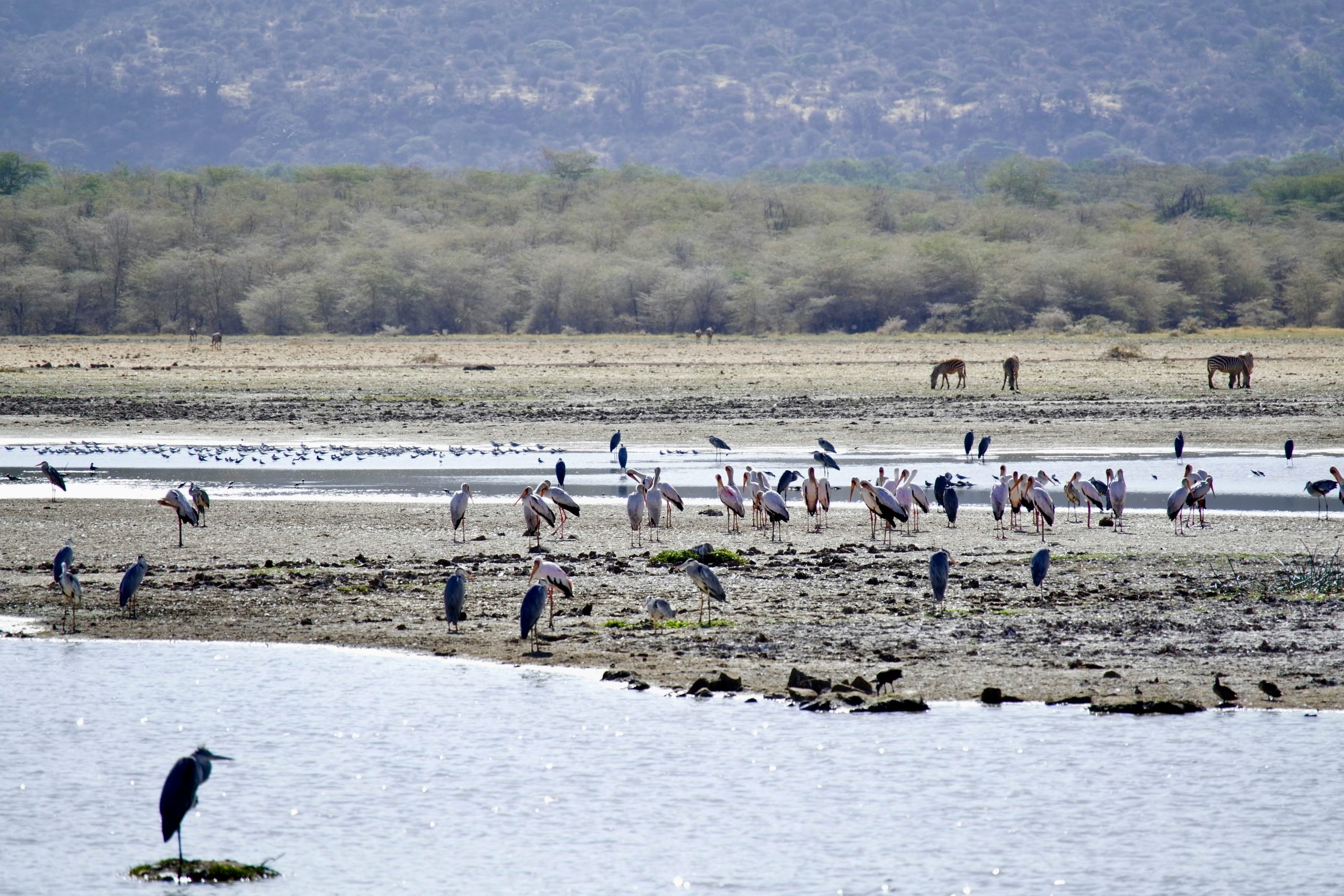
Lake Manyara is a small but diverse park located at the base of the Rift Valley escarpment. It offers a mix of forest, open plains, and lakeshore habitats.
Why Lake Manyara is chosen:
Best known for its birdlife and occasional tree-climbing lions.
Highlights:
Tree-climbing lions (when spotted)
Flamingos and water birds
Forest and groundwater springs

Ruaha National Park
Ruaha is Tanzania’s largest national park and remains largely untouched. It’s ideal for travelers looking for space, fewer vehicles, and a strong sense of wilderness.
Why Ruaha is chosen:
It offers a truly remote safari experience with excellent predator sightings.
Highlights:
Large lion prides
Rugged landscapes
Low visitor numbers

Nyerere National Park
Formerly Selous Game Reserve, Nyerere National Park offers a different safari style, with the Rufiji River at its heart.
Why Nyerere is chosen:
It is Tanzania’s best destination for boat safaris.
Highlights:
Boat safaris on the Rufiji River
Hippos and crocodiles
Varied landscapes

Katavi National Park
Katavi is one of the least visited parks in Tanzania. Reaching it takes effort, but the reward is a raw and powerful safari experience.
Why Katavi is chosen:
It offers some of the most untouched wildlife viewing in Africa.
Highlights:
Massive buffalo herds
Large hippo populations
Very few visitors
Mahale Mountains National Park
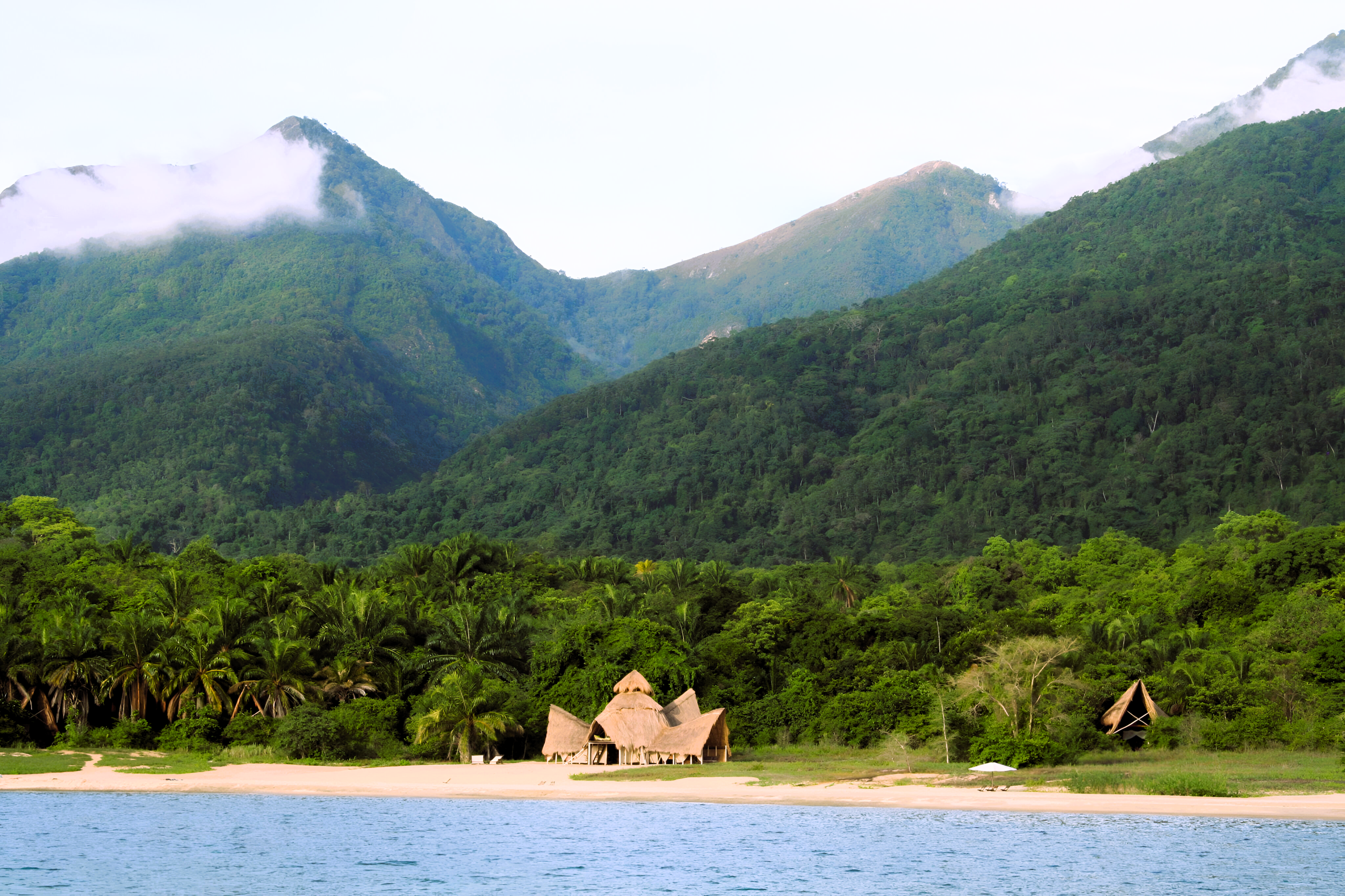
Mahale sits on the shores of Lake Tanganyika and is best known for chimpanzee trekking in a remote forest setting.
Why Mahale is chosen:
It offers the most reliable and immersive chimpanzee trekking in Tanzania.
Highlights:
Chimpanzee encounters
Forest and mountain scenery
Lake Tanganyika beaches

Fly-In Safaris
Fly-in safaris connect remote parks and camps by light aircraft, reducing long driving times.
Why chosen:
They allow more time on safari and access to remote locations.
Highlights:
Scenic flights
Remote safari camps
Flexible itineraries